
What Are Wisdom Teeth & Why Removal May Be Needed
Wisdom teeth are the third molars that emerge at the back of your mouth between ages 17 and 25, often without enough room to fit properly. Wisdom teeth extractions in Washington, D.C. address these late-arriving molars when they cause trouble. When these molars push against neighboring teeth, erupt at an angle, or stay trapped beneath the gum line, removal becomes the recommended option. At SmileHQ, our team evaluates each case individually to determine the right approach.
Most people simply don’t have enough jaw space for these extra molars, which leads to several common issues:
- Impaction: the tooth stays fully or partially trapped beneath bone or gum tissue
- Crowding: the emerging tooth pushes against adjacent molars, shifting your bite
- Partial eruption: a flap of gum tissue covers part of the tooth, trapping bacteria and food debris
- Angled growth: the tooth comes in sideways or tilts toward neighboring teeth
Not every wisdom tooth requires removal. Some erupt cleanly, sit in healthy alignment, and stay easy to clean. Others need active monitoring with digital X-rays at your routine checkup. When pressure, infection risk, or alignment changes appear, our smile consultants will walk you through the reasoning behind a recommended extraction so you can make a confident decision about your oral health.
Benefits of Wisdom Teeth Extraction
Removing problematic wisdom teeth protects the work you’ve already done for your smile, eases discomfort, and prevents complications down the road. In our years of clinical experience, early evaluation and timely removal of impacted third molars tends to make recovery simpler and helps patients avoid more involved care later on.
Here’s what proactive extraction can do for your smile:
- Protects orthodontic results. If you’ve worn braces or clear aligners, erupting wisdom teeth can shift your front teeth and undo years of careful alignment.
- Reduces infection risk. Partially erupted teeth create pockets where bacteria thrive, leading to pericoronitis, decay, and gum inflammation.
- Relieves pressure and discomfort. Impacted molars can cause jaw tightness, headaches, and tenderness that ease once the tooth is removed.
- Prevents cyst and tumor formation. Trapped teeth occasionally develop fluid-filled sacs that can damage surrounding bone if left in place.
- Improves daily hygiene. Wisdom teeth sit so far back that brushing and flossing them well is genuinely difficult. Removing them simplifies your routine.
- Protects neighboring molars. Angled wisdom teeth can wear down or decay the second molars they press against.
The earlier these issues are addressed, the simpler the extraction tends to be, since the roots are still developing and the surrounding bone is more flexible.
The Wisdom Teeth Extraction Process in Washington, D.C.
The wisdom teeth removal process at SmileHQ begins with a thorough exam and digital imaging, followed by an extraction plan that fits your comfort needs. A single visit lasting 45 to 90 minutes is usually all it takes, with same-day discharge. Our team uses modern sedation options so the experience stays calm and manageable from start to finish.
Step 1: Consultation and Imaging
Your first visit includes a clinical exam and digital X-rays (often a panoramic image) so our dental providers can see the position, root development, and proximity to nerves of each wisdom tooth. We’ll review the images with you, explain what we see, and outline the recommended approach.
Step 2: Anesthesia and Sedation Options
Comfort is a priority during every extraction. Depending on the complexity of your case and your personal preference, options may include:
- Local anesthetic to numb the area
- Nitrous oxide (laughing gas) for gentle relaxation
- Oral sedation for deeper calm during the visit
We’ll discuss which option suits you best during your exam.
Step 3: The Extraction
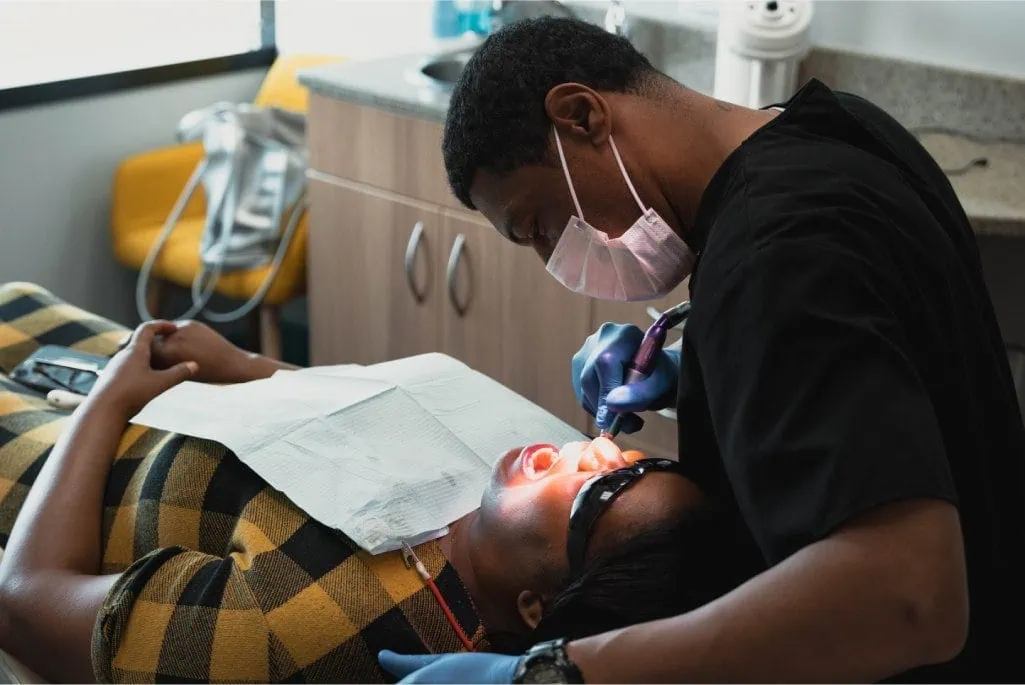
For fully erupted teeth, removal is quick and straightforward. With impacted teeth, our team gently accesses the tooth, sometimes sectioning it into smaller pieces for easier removal, then closes the site with dissolvable sutures when needed. Throughout the visit, the area stays fully numb so you remain comfortable.
Step 4: Recovery and Follow-Up
You’ll go home the same day with detailed post-op care instructions covering swelling management, soft-food guidelines, and signs to watch for. Returning to normal activities within a few days is typical, and our team is available to answer questions throughout your recovery.
Are You a Candidate for Wisdom Teeth Extraction?
You may be a candidate if you’re experiencing symptoms or if imaging shows future complications. Our smile consultants in Washington, D.C. evaluate each patient individually rather than recommending blanket removal. Some signs that an exam is the right next step include:
- Tenderness, swelling, or redness in the back of your mouth
- Recurring infections or a bad taste near your back molars
- Stiffness or limited jaw movement
- Headaches or pressure radiating from the jaw
- Shifting of your front teeth, especially after orthodontic treatment
- Visible partial eruption with a gum flap over the tooth
Even without symptoms, digital X-rays may reveal impaction, cyst development, or angled growth that’s better addressed sooner rather than later. The recommended window for proactive removal typically falls in the late teens to mid-twenties, when roots are still forming and recovery tends to be quicker.
You should always consult with a dental professional before deciding on extraction. If you take blood thinners, are pregnant, or live with certain medical conditions, we’ll simply build a little extra planning into your care. Our team reviews your medical history and coordinates with your physician when it makes sense, so your treatment stays safe and straightforward from beginning to end.
Why Choose SmileHQ in Washington, D.C.
SmileHQ was designed to transform the typical patient experience at the dentist, and that includes treatments like wisdom teeth removal. Our team of experienced dental providers, including Dr. Emike Aliu, DDS, Dr. Imani Asher, DDS, Dr. Nereen Hassan, DDS, Dr. Busayo Lana, DDS, Dr. Josephine Oguntimein, DDS, and Dr. Christina Woo, DMD, brings deep training and years of hands-on expertise to every extraction we perform.
What sets us apart:
- Comfort-first sedation options, including nitrous oxide for anxious patients
- Modern digital imaging for accurate diagnosis and treatment planning
- Full-service general dentistry under one roof, so follow-up care stays simple
- Urgent extraction availability when wisdom tooth pressure or infection needs prompt attention
- A team committed to high standards of care and a welcoming, patient-first approach
Our Washington, D.C. space was designed with you in mind, from the welcoming atmosphere to the cutting-edge technology behind every exam. Your smile is in good hands.
Wisdom Teeth Extraction FAQs
How long is recovery from wisdom teeth removal?
Recovery usually feels noticeably better within 3 to 5 days, with full soft-tissue healing taking about two weeks. Swelling typically peaks around day 2 or 3 and then steadily improves. Following your post-op instructions, including rest, cold compresses, and a soft diet, helps you recover faster.
Is wisdom tooth extraction comfortable?
The extraction itself is performed under anesthesia, so you won’t feel discomfort during the procedure. Afterward, mild soreness is common for a few days and is well managed with the medications and care guidelines our team provides. Patients who choose nitrous oxide or oral sedation often describe the visit as far easier than expected.
What can I eat after wisdom teeth removal?
Stick to soft, cool foods for the first 24 to 48 hours. Good options include:
Avoid straws for at least a week, since suction can disturb the healing site.
How much do wisdom teeth extractions cost in Washington, D.C.?
Cost varies based on how many teeth are being removed, whether they’re impacted, and which sedation option you select. During your exam at our Washington, D.C. office, our team provides a clear treatment estimate and reviews affordable treatment options available through our online payment portal.
How do I prevent dry socket?
To prevent dry socket, avoid straws, smoking, vigorous rinsing, and spitting for at least 72 hours after your extraction. Dry socket happens when the protective blood clot at the extraction site dislodges too early. Gentle saltwater rinses (starting 24 hours post-op) and following all post-op instructions are your best protection.
When should wisdom teeth be removed?
The late teens through mid-twenties is generally the recommended window, since roots are still developing and healing tends to be quicker. That said, removal happens whenever symptoms, imaging findings, or orthodontic concerns make it the right choice. An exam with our team helps you understand the right timing for your situation.
Schedule Your Wisdom Teeth Consultation
Ready to get started on a healthy smile? Request an exam at SmileHQ to discuss wisdom teeth extraction with our team. We offer sedation options for patients who feel anxious about the visit, including nitrous oxide for added comfort. Urgent extraction appointments are available when wisdom tooth pressure or infection needs prompt attention.
Our practices in Washington, DC and Bowie, MD welcome new patients. Call or request your exam online today. Stop by our Washington, D.C. space, meet our team, and discover the difference for yourself.