

What Is Periodontal Therapy?
Periodontal therapy in Washington, D.C. is a set of dental treatments used to manage gum disease, restore healthy gum tissue, and protect the bone that supports your teeth. At SmileHQ, our team uses deep cleaning techniques, laser therapy, and ongoing maintenance to stop infection and bring your gums back to a healthy state.
Gum disease develops in stages. The earliest stage, gingivitis, often shows up as red, puffy, or bleeding gums caused by plaque sitting along the gumline. When plaque hardens into tartar and bacteria spread below the gums, the condition can advance to periodontitis. At this point, the supporting tissue and bone begin to break down, and teeth can loosen over time. That is why patients across Washington, D.C. turn to our team for early, attentive care.
The main causes are plaque buildup, tartar accumulation, and the bacteria that thrive in those deposits. Skipping routine checkups, smoking, certain medications, and genetics can all raise your risk. Periodontal therapy becomes necessary when home care alone can no longer reach what’s hiding below the gumline.
Healthy gums matter for more than your smile. Research from the American Academy of Periodontology links untreated gum disease to heart disease, diabetes complications, and other systemic conditions . Caring for your gums is one of the most direct ways to care for your whole-body health.
Benefits of Periodontal Therapy
Periodontal therapy stops gum disease from advancing, reduces inflammation and bleeding, freshens your breath, and protects the bone that holds your teeth in place. It supports your overall health, brightens the look of your gums, and helps you keep your natural teeth longer. Many patients see results within a few visits.
Here’s what periodontal therapy at SmileHQ can do for you:
- Stops gum disease in its tracks. Treatment halts the progression of infection so you can keep your natural teeth for years to come.
- Reduces inflammation and bleeding. Once bacteria are cleared away, your gums calm down, stop bleeding when you brush, and feel less tender.
- Freshens your breath. Persistent bad breath is often a sign of bacteria below the gumline. Therapy clears the source, not just the symptom.
- Protects bone and supporting tissue. Your jawbone holds your teeth in place. Periodontal care preserves that foundation and helps prevent loose or shifting teeth.
- Supports heart and systemic health. The American Academy of Periodontology connects gum health to cardiovascular health, diabetes management, and pregnancy outcomes . Healthier gums contribute to a healthier you.
- Improves your smile. Pink, firm gums frame your teeth beautifully. Many patients tell us they feel more confident smiling once their gums are happy again.
Healthy gums also make every future dental visit easier. Routine checkups go faster, restorations last longer, and cosmetic treatments look their best when the foundation is solid.
The Periodontal Therapy Process at SmileHQ
The periodontal therapy process at SmileHQ follows four clear steps: a detailed gum exam with pocket depth measurements, scaling and root planing to remove buildup below the gumline, optional laser therapy for targeted treatment, and a maintenance schedule built around your needs. Most patients complete active treatment in two to four visits, then return for periodic cleanings.
Here’s what to expect at each stage.
Step 1: Gum Exam and Pocket Depth Measurement
Your visit begins with a careful evaluation of your gums. Our team measures the small spaces, called pockets, between each tooth and the surrounding gum tissue. Digital X-rays help us see what’s happening below the surface, including any early bone changes. This gives us a complete picture of your gum health and helps us recommend the right level of care.
Step 2: Scaling and Root Planing
Often called a deep cleaning, scaling and root planing removes plaque and tartar from above and below the gumline. We then smooth the root surfaces so gum tissue can reattach more easily. It’s a straightforward step. This is the foundation of most periodontal therapy, and it’s typically completed over one or two visits while you stay relaxed in the chair.
Step 3: Laser Therapy (When Indicated)
For deeper pockets or stubborn infection, we may recommend dental laser therapy. The laser targets bacteria with precision, helps reduce inflammation, and supports faster healing of the surrounding tissue. It’s a gentle, focused option that works well alongside traditional cleaning.
Step 4: Maintenance and Follow-Up
Gum health is an ongoing effort. After active treatment, you’ll return for periodontal maintenance visits, usually every three to four months. These cleanings are more involved than a routine checkup and are designed to keep bacteria from returning and to monitor pocket depths over time.
Are You a Candidate for Periodontal Therapy?
You may be a candidate for periodontal therapy if you notice bleeding gums, red or swollen tissue, a receding gumline, loose teeth, persistent bad breath, or gum sensitivity. Patients who smoke, have diabetes, are pregnant, take certain medications, or have a family history of gum issues are also strong candidates for an evaluation.
Gum disease can be sneaky. Many people don’t realize anything is wrong until the signs become hard to ignore. If any of the following sound familiar, it’s a good time to request an exam.
Common signs that periodontal therapy may help:
- Bleeding gums when you brush or floss
- Red, swollen, or tender gum tissue that doesn’t bounce back
- Receding gumline or teeth that look longer than they used to
- Loose teeth or a bite that feels different
- Persistent bad breath or a bad taste that won’t go away
- Gum sensitivity to hot, cold, or even touch
Certain risk factors raise the odds of developing gum disease, even with good home care. Smoking and tobacco use, diabetes, hormonal changes during pregnancy, certain medications, and a family history of gum issues all increase your risk. Stress and inconsistent dental visits play a role too.
Children and teens can develop gum disease as well. Puberty, orthodontic appliances, and learning to floss well are all part of the picture, which is why we keep an eye on gum health at every age.
If you’re noticing changes, don’t wait for things to get worse. A periodontal evaluation at SmileHQ is the easiest way to know exactly where you stand and what, if anything, your gums need.
Why Choose SmileHQ for Periodontal Care
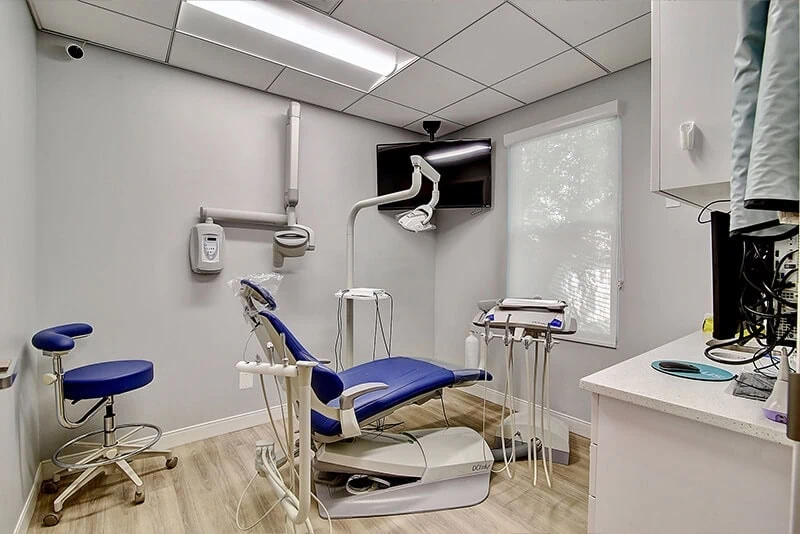
SmileHQ was designed to transform the typical patient experience at the dentist, and that includes how we handle periodontal care in Washington, D.C. Our team brings together training, modern tools, and a calm, welcoming approach so you feel genuinely cared for from check-in to checkout.
What sets us apart:
- An experienced dental team. Our smile consultants are credentialed DDS and DMD providers, including Dr. Josephine Oguntimein with . Each member of our team brings dedicated training in general dentistry and a steady, patient-focused approach to gum care.
- Advanced laser therapy for precise, gentle treatment of deeper pockets and inflamed tissue.
- Modern technology including digital X-rays and diagnostic tools for accurate evaluation.
- A trusted, credentialed practice . We are proud to serve our community with care you can rely on.
- A convenient Washington, D.C. location plus our Bowie, MD office for families across the area.
- Care for every stage, from prevention and periodontal therapy to restorative and cosmetic work, all under one roof.
Your smile is in good hands here.
Periodontal Therapy FAQs
Are periodontal treatments comfortable?
Most periodontal treatments are very comfortable. We use local anesthetic during scaling and root planing so the area stays numb, and laser therapy is often even gentler than traditional methods. You may notice mild tenderness for a day or two afterward, but most patients return to normal activities right away.
Can periodontal disease go away on its own?
Gingivitis, the earliest stage of gum disease, can sometimes be reversed with improved brushing, flossing, and routine checkups. Once gum disease advances to periodontitis, it cannot resolve without professional treatment because tartar below the gumline can only be removed by your dental team. The sooner you act, the easier it is to protect your smile.
Can flossing reverse gum disease?
Flossing daily is one of the best things you can do for your gums and can help reverse early gingivitis. However, once bacteria and tartar have settled below the gumline, flossing alone cannot reach them. At that point, periodontal therapy is needed to clear what home care can’t.
Can children develop gum disease?
Yes. Kids and teens can develop gingivitis, especially during puberty or while wearing orthodontic appliances that make brushing trickier. Routine checkups at our Washington, D.C. practice include a look at gum health for patients of every age, so we can spot early signs and coach families on home care.
Can I get braces with gum disease?
Active gum disease should be treated before starting orthodontic treatment. Moving teeth while gums are inflamed can speed up bone loss and create lasting issues. Once your gums are healthy and stable, our team can work with you to plan orthodontic care that protects your smile long-term.
Schedule Your Periodontal Consultation in Washington, D.C.
It’s easy to get a healthy smile, and the best time to act on gum concerns is early, before tooth loss or bone changes set in. Our team at SmileHQ is ready to help with gentle, expert periodontal care designed with you in mind.
Request an exam online or call us at (202) 919-8935 to get started on a healthy smile. Our offices in Washington, D.C. and Bowie, MD welcome new and returning patients of every age. Come visit us, and let our smile consultants show you why your smile is in good hands.