
- SmileHQ
What Is a Dental Exam and What Does It Cost?
A dental exam typically costs between $50 and $200, depending on the type of exam, whether digital X-rays are included, and your insurance status. A basic periodic exam usually falls on the lower end, while a new patient or complete exam with digital X-rays runs higher. At SmileHQ, your exam fee reflects the level of care your smile actually needs, no more and no less.
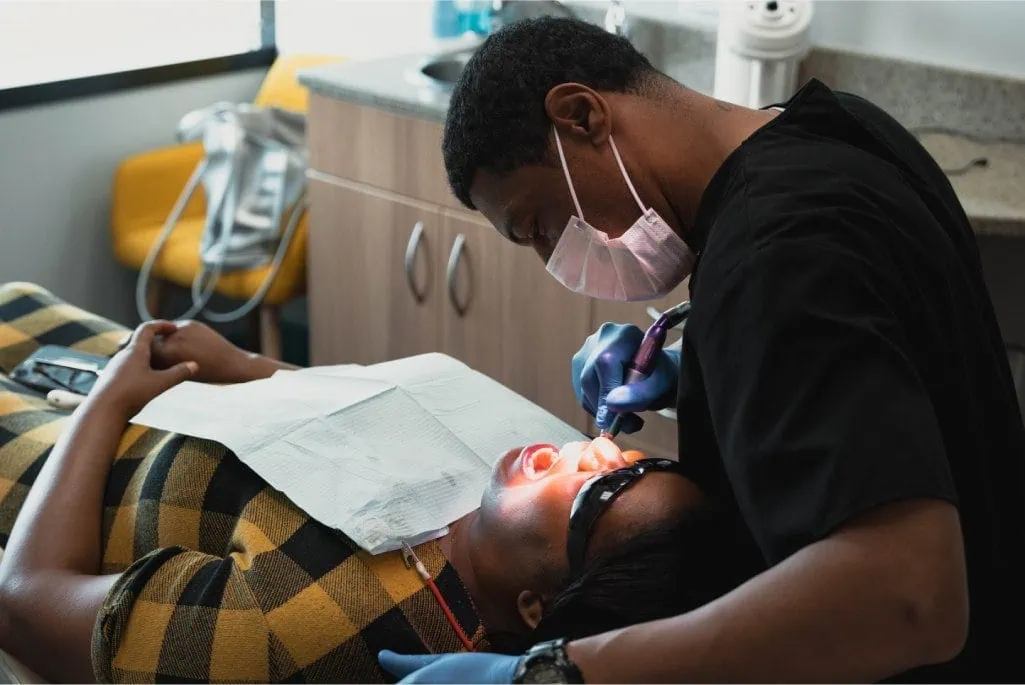
A routine dental exam is a careful evaluation of your oral health performed by one of our smile consultants. During the visit, your provider checks each tooth for decay, charts the condition of existing fillings and restorations, evaluates your gums for signs of disease, and performs an oral cancer screening. Your bite, jaw, and soft tissues are also assessed, because your mouth is a busy place and a lot can be happening in there.
It helps to know the difference between an exam-only fee and a full visit. The exam itself covers the clinical evaluation. A cleaning, digital X-rays, and fluoride are billed separately, and most patients schedule them together as one bundled visit. Prices can shift based on the provider’s experience, the location of the practice, and whether you’re a new or returning patient.
How a Dental Exam Works: What Happens During Your Visit
A standard dental exam at SmileHQ takes about 45 to 60 minutes and follows a predictable flow. Your provider reviews your medical and dental history, performs a careful visual and tactile inspection, captures digital X-rays when needed, completes an oral cancer screening, and finishes with a cleaning and clear treatment recommendations. The goal is to catch small issues early, while they’re still small and inexpensive.
Here’s what you can expect step by step:
- Health history and concerns. We start by reviewing any updates to your medical history, current medications, and anything bothering you, from sensitivity to a chipped tooth.
- Visual and tactile inspection. Your smile consultant examines each tooth for decay, checks your bite, and evaluates the gums for inflammation, recession, or pocket depth changes.
- Digital X-rays as needed. If you’re due for imaging, we take digital X-rays to see between teeth and below the gumline. Digital imaging uses far less radiation than traditional film.
- Oral cancer screening. Your provider checks your lips, tongue, cheeks, throat, and the floor of your mouth for any unusual tissue changes.
- Cleaning and polishing. A hygienist removes plaque and tartar, polishes your teeth, and reviews your home care technique with you.
- Recommendations and next steps. You’ll leave with a clear understanding of your oral health, any treatment that’s needed, and an estimate before anything is scheduled.
Most patients are in and out in about an hour. Children’s visits often run a bit shorter, which is good news for everyone in the waiting room.
Benefits of Routine Dental Exams
Routine exams are the single most cost-effective thing you can do for your smile. Catching a small cavity at a checkup is straightforward and quick. Wait until that same tooth needs a root canal or crown and you’re looking at significantly more, both in dollars and chair time.
Why are regular dental exams worth the cost?
Here’s what regular exams do for you:
- Early detection. Cavities, gum disease, cracked teeth, and oral cancer are easier to treat when found early. Many of these conditions cause no symptoms in their earliest stages, which is exactly why they sneak up on people.
- Lower long-term costs. A $150 exam and cleaning every six months runs far less than restorative work down the road. Spending a little now usually means spending a lot less later.
- A deeper clean than brushing alone. Even excellent home care leaves behind tartar in spots you can’t reach. Professional cleaning removes what your toothbrush misses.
- Better whole-body health. Major dental and health organizations, including the ADA, have noted associations between gum health and conditions like heart disease, diabetes, and pregnancy outcomes. Healthy gums tend to support a healthier you overall.
- A brighter, more confident smile. Polishing removes surface stains from coffee, tea, and wine, leaving your teeth feeling smooth and looking fresh.
What happens if you skip routine exams?
Think of your exam as routine maintenance for one of the most-used parts of your body. Skip it long enough and small issues quietly grow into bigger ones. A little time twice a year saves you from much bigger conversations later, and your future self will thank you for showing up now.
Dental Exam Cost: Comparison by Exam Type and Related Procedures
Not every exam is the same, and the cost reflects what’s included. New patient visits tend to be the most thorough because we’re building your baseline records from scratch. Periodic exams are shorter and check for changes since your last visit. Emergency exams are problem-focused, addressing a specific concern like swelling or a broken tooth.
The table below shows typical price ranges you’ll find in many urban areas. Actual costs at SmileHQ depend on your specific needs and insurance.
What do different types of dental exams cost?
| Service | Typical Price Range | What’s Included |
|---|---|---|
| Periodic exam | $50 to $95 | Brief check-up for established patients |
| Complete exam | $90 to $200 | Full evaluation, charting, oral cancer screening |
| New patient exam | $100 to $250 | Full exam plus baseline records |
| Emergency / limited exam | $75 to $150 | Focused evaluation of a specific concern |
| Adult cleaning (prophylaxis) | $90 to $200 | Plaque/tartar removal and polishing |
| Bitewing digital X-rays (4) | $50 to $90 | Routine decay-detection imaging |
| Full-mouth digital X-rays | $100 to $250 | Complete imaging series, usually every 3 to 5 years |
| Fluoride treatment | $25 to $60 | Topical fluoride application |
A typical full visit, meaning a complete exam, cleaning, and a set of bitewing digital X-rays, generally lands between $250 and $450 without insurance. With dental insurance, your out-of-pocket cost is often much lower because preventive care is usually well covered.
Are cosmetic and restorative treatments included?
Cosmetic and restorative work, like whitening, veneers, fillings, or crowns, is priced separately and falls well outside the routine exam range. Those treatments are planned individually based on what your smile needs, and we’ll always walk you through the numbers before you commit to anything.
Factors That Affect Your Dental Exam Cost
Several variables influence what you’ll actually pay. Understanding them helps you anticipate your bill and make informed choices about your care, so there are no surprises when the estimate lands in front of you.
- Type of exam. A periodic check-up costs less than a complete new patient exam. Emergency exams sit somewhere in the middle and may include extra diagnostics.
- Digital X-rays. The number and type of images matter. A few bitewings cost less than a full-mouth series or a 3D cone beam scan. Your provider only recommends imaging when it’s clinically useful.
- Cleaning type. A standard cleaning is for healthy gums. If you have gum disease, you may need a deeper periodontal cleaning, which takes more time and costs more.
- Insurance coverage and network status. Most dental plans cover two preventive visits per year at little or no cost when you see an in-network provider. Out-of-network visits may carry higher out-of-pocket costs.
- Provider experience and practice location. Practices in busy metro areas carry higher overhead than those in less urban areas, which is reflected in fees. Experienced specialists may also charge more for advanced evaluations.
- New vs returning patient. First visits are more thorough and include baseline records, so they typically cost more than your follow-up exams.
- Additional services. Fluoride, sealants, oral cancer screenings with advanced technology, or a periodontal evaluation can be added based on your needs.
If cost is on your mind, we’re happy to walk you through your estimate before treatment. SmileHQ offers an online payment portal and a payment calculator to help you plan, and we’ll always discuss affordable treatment options up front. No fine print, no guesswork.
Why Choose SmileHQ for Your Dental Exam
Our team brings together training from some of the country’s most respected dental programs, and we put that education to work every single day.
- Dr. Emike Aliu earned her DDS from the University of Illinois
- Dr. Imani Asher trained at the University of North Carolina at Chapel Hill
- Having completed her DDS at Howard University, Dr. Nereen Hassan went on to finish an Advanced Education in General Dentistry residency at New York University
- A Meyerhoff Scholar from the University of Maryland Baltimore County
- Dr. Busayo Lana rounds out the group alongside Dr. Christina Woo, who earned her DMD Magna Cum Laude from Boston University School of Dental Medicine
- Dr. Josephine Oguntimein brings nearly 40 years of dental practice experience to our team.
We’re proud members of the American Dental Association, the American Association of Orthodontists, and the District of Columbia Dental Society. SmileHQ is also a certified Women-Owned Business and holds ABPD certification for pediatric care. More than dentists, we’re smile consultants, and we love serving smiles. Going to the dentist shouldn’t be fun, right? Wrong!
Who Should Get a Dental Exam and How Often?
The ADA recommends a dental exam every six months for most adults and children. This twice-a-year schedule is the sweet spot for catching small issues early and keeping plaque and tartar under control. Some patients benefit from more frequent visits, and your provider will tell you if that’s you.
You may need to come in more often if you:
- Have a history of gum disease or active periodontal concerns
- Smoke or use tobacco products
- Are pregnant (hormonal changes affect gum health)
- Have diabetes or another condition that impacts oral health
- Wear orthodontic appliances or have a high cavity risk
Don’t wait for your next scheduled visit if you notice any of the following: persistent tooth sensitivity, bleeding gums, a loose tooth, swelling, a chipped or broken tooth, or a sore that doesn’t heal within two weeks. These signs are worth a same-week visit, so give us a call.
For children, the American Academy of Pediatric Dentistry recommends a first dental visit by age one or within six months of the first tooth erupting. After that, kids generally follow the same six-month schedule as adults, with adjustments based on growth and cavity risk.
Even if your smile feels great, exams matter. Many of the issues we catch, including early gum disease and small cavities, cause no symptoms until they’re advanced. Routine visits are how we keep them from getting there in the first place.
Frequently Asked Questions
How much is a dental exam without insurance?
Without insurance, a routine dental exam generally costs between $50 and $200. A full first visit that includes the exam, cleaning, and digital X-rays typically runs $250 to $450. At SmileHQ, we’ll provide a clear estimate before your visit so there are no surprises waiting at checkout.
Does insurance cover routine dental exams?
Most dental insurance plans cover two preventive exams per year at 100% when you see an in-network provider, including the cleaning and routine digital X-rays. Coverage details vary by plan, so we’ll verify your benefits ahead of time and let you know what to expect for out-of-pocket costs.
What’s the difference between an exam and a cleaning?
An exam is the clinical evaluation your smile consultant performs to check for cavities, gum disease, oral cancer, and bite issues. A cleaning is the hygienist’s work removing plaque and tartar and polishing your teeth. They’re billed separately but almost always done at the same visit, so you get both in one sitting.
How long does a dental exam take?
A typical exam and cleaning visit runs 45 to 60 minutes. New patient visits may take a bit longer because we collect baseline records and digital X-rays. Emergency exams focused on a single concern are usually shorter, around 20 to 30 minutes.
Are dental X-rays included in the exam cost?
Digital X-rays are usually billed separately from the exam fee, though many patients get them at the same visit. How often you need X-rays depends on your age, cavity risk, and history. Bitewings are typically taken once a year, and a full-mouth series every three to five years.
How often should I schedule a dental exam?
Most adults and children should request an exam every six months. Patients with gum disease, high cavity risk, or certain health conditions may benefit from visits every three to four months. Your smile consultant will recommend a schedule that fits your specific needs, whether you visit us in Washington, DC or Bowie, MD.
It’s easy to get a healthy smile, and we’d genuinely love to meet you. SmileHQ welcomes new and returning patients, and we’re here whenever you’re ready to get started on a healthy smile. Request an exam today and discover the difference for yourself. Your smile is in good hands.